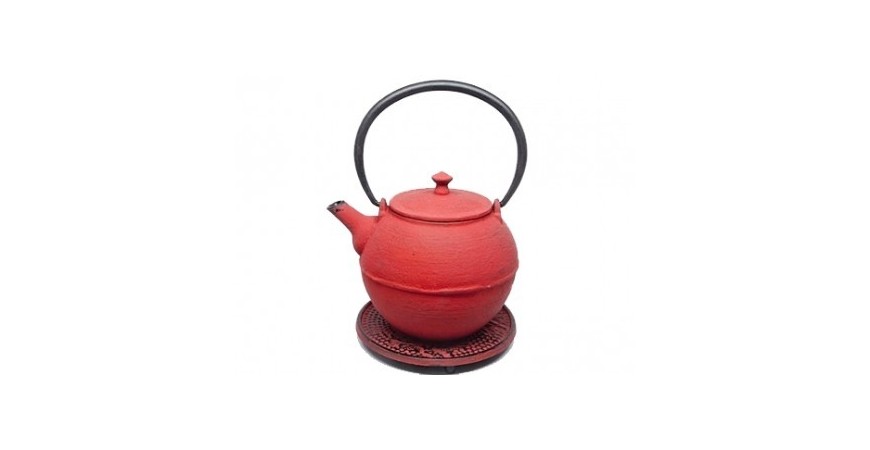
Cast Iron Teapots
Posted on12/01/2014
Love0
Cast iron teapots were created in ancient China. They were then adopted and further developed by the Japanese into practical as well as decorative handicraft items. They symbolize the everlasting strength and unity of the world. Through special chemical treatments, impurities are removed from the cast iron during the production process. A coating of misty black enamel is then applied to help prevent the development of rust. As water is boiled, trace amounts of iron in the water from the teapot provide and iron supplement that contribute to human health. Small pots should only be used to serve tea. They should not be used to boil water directly.
Taking care of your cast iron teapot
- Before using, boil a pot of water and pour it out to prepare the pot for use.
- After each use, make sure that the entire pot is clean and dry to prevent the development of rust. We recommend that tea should not be kept in the teapot over night. Cast iron teapots are not dishwasher safe.
- In the unlikely event of rust, the pot can still be used. After cleaning the rusted area with a soft brush, boil used tea leaves. The tannic acid from the tea will naturally react with the iron, producing a black seal, covering the rusted area. This will also prevent the re-occurrence of rust. The rust from the pot is non-toxic, so it will be safe to use.
- Store the teapot in a cool, dry place.